Understanding Foot Arch Types: Flat Feet, High Arches, and Everything In Between
If you’ve ever been told you have “flat feet” or “high arches,” you might have wondered what that actually means and whether it’s something you should be concerned about.
You may have even questioned why your feet have arches to begin with.
The human body is an intricate and highly coordinated system, and your feet are no exception.
Each foot contains dozens of bones, joints, muscles, and ligaments working together to support you with every step.
They’re also your body’s primary point of contact with the ground, which means every movement you make starts there.
Your arch type plays a major role in how your feet function. They shape how you move, how your body absorbs impact, and how stress travels through your joints.
Understanding your arch type goes beyond labeling your feet. It helps you recognize what your body needs to stay comfortable, supported, and injury-free—and why certain shoes, activities, or routines may feel better (or worse) for you.
That’s why this month’s informative blog post is all about arches.
What Are Foot Arches and Why Do They Matter?
Let’s kick things off by getting clear on what foot arches are and how they make a meaningful difference in your foot health and wellness—and that of your entire body.
Your feet aren't flat and rigid. They’re dynamic structures designed to support your entire body through movement—all day, every day.
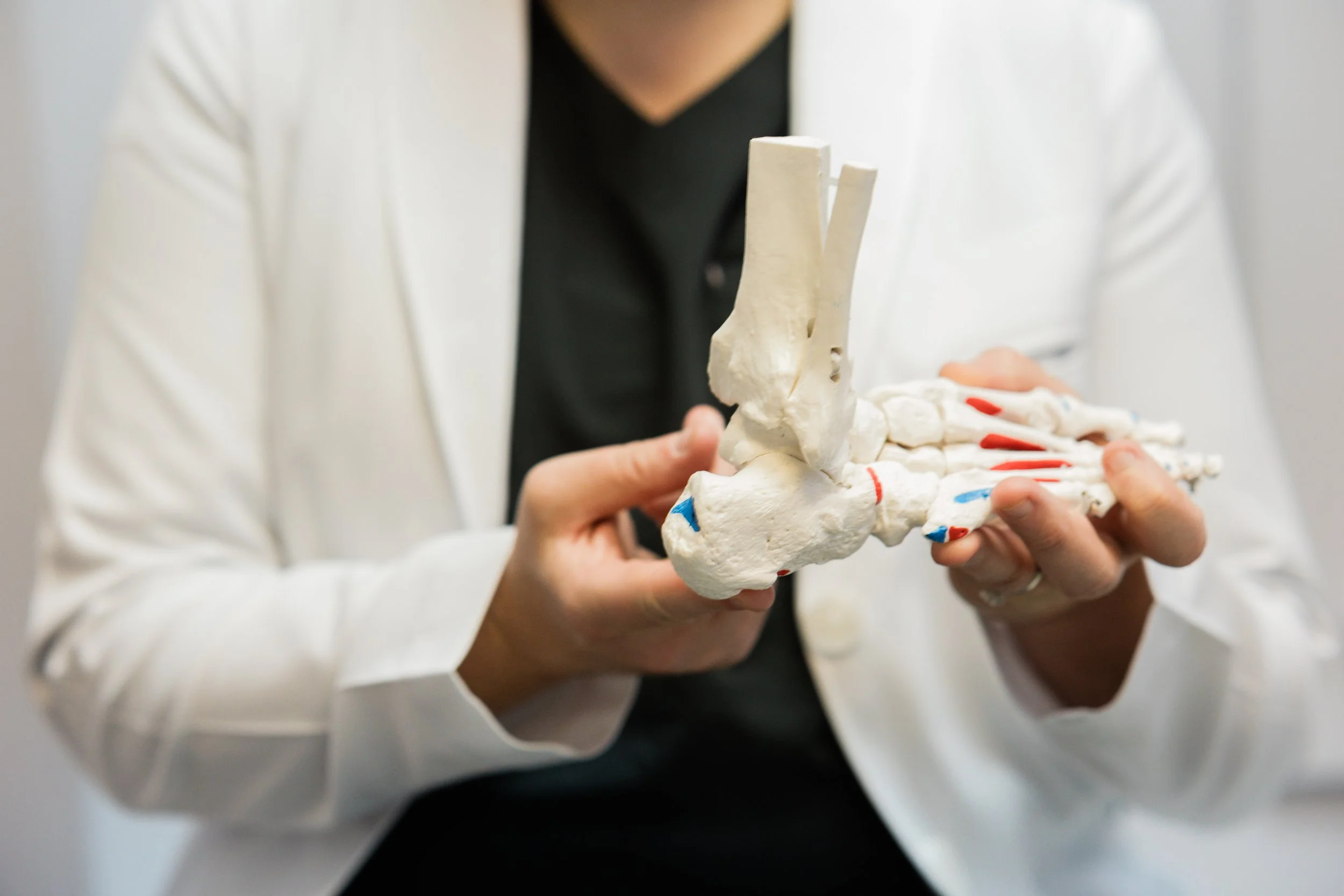
A network of bones, ligaments, and tendons come together in each foot to form an arch shape.
But there’s more to your arch than meets that eye. In fact, there are more arches in your feet than you may realize.
Your three primary arches—the medial, lateral, and transverse—each play a role in stability and shock absorption.
Together, they help:
Absorb impact when your foot hits the ground
Distribute your body weight evenly
Provide stability during standing and movement
Adapt to uneven surfaces
In simple terms, your arches act like springs. They compress as your foot makes contact with the ground and rebound as you push off into your next step.
When this system is working well, movement feels efficient and balanced. When it’s not, other parts of your body begin to compensate—and that’s when issues can start to show up.
Next, let’s explore important distinctions between foot arch types.
The Three Main Arch Types
Most people fall into one of three general categories when it comes to their foot arches: flat feet (low arches), neutral arches, or high arches.
Each type affects how your feet move, how your body absorbs force, and how stress is distributed through your joints.
Let’s dive a little deeper into each type.
Flat Feet (Low Arches)
If you have flat feet, your arches sit lower to the ground or may appear to collapse when you stand.
This often leads to a movement pattern called overpronation, where the foot rolls inward excessively during walking.
You can learn more about how this affects your movement in our blog on overpronation.
While some pronation is normal, too much of it can place extra strain on the structures that support your arch.
One of the most important of these structures is the posterior tibial tendon.
When this tendon becomes irritated or weakened, it can lead to a chronic condition called posterior tibial tendon dysfunction (PTTD).
Check out our deep dive blog to learn more about this issue and how it’s treated.
When you have flat feet, you might notice:
Foot fatigue after standing or walking
Pain along the inside of your foot or ankle
A feeling of instability
A gradual flattening of your arch over time
Flat feet can also change how your body aligns as a whole.
When your foot rolls inward, it can affect your ankle position, knee tracking, and hip mechanics. This can lead to widespread issues over time, including leg and hip pain.
What about fallen arches?
In some cases, arches don’t just start out low. They change over time.
Also known as adult-acquired flatfoot, fallen arches occur when the structures that support your arch weaken. This often develops gradually and is commonly linked to posterior tibial tendon dysfunction.
You may notice your arch looks different than it once did, or that one foot appears flatter than the other, along with pain or difficulty walking for longer periods.
This is one situation where early support can make a significant difference in preventing progression.
If you’re worried your arches may be falling, Dr. Young is here for you. Schedule an appointment to talk things over with her and get her expert opinion on your foot health needs.
High Arches
High arches sit higher off the ground and tend to be more rigid.
Unlike flat feet, which allow too much motion, high arches often don’t allow enough.
This reduced shock absorption increases stress on certain areas of your foot.
Common effects include:
Increased pressure on the heel and ball of the foot
Reduced shock absorption
A higher risk of stress-related injuries
Over time, this added pressure can contribute to forefoot pain and conditions like metatarsalgia, which we explain in more detail in our blog on metatarsalgia.
You might also notice:
Pain in the forefoot or heel
Frequent ankle sprains or instability
Tightness through the foot or calf
Calluses in high-pressure areas
Because high arches tend to be more rigid, they don’t adapt as easily to changes in terrain or activity. This can make proper footwear and support especially important.
Neutral Arches
As you can probably predict, a neutral arch falls somewhere in the middle of these two extremes and allows for a balanced amount of motion.
This means your foot can absorb shock effectively while still maintaining stability.
People with neutral arches tend to:
Distribute weight more evenly across the foot
Experience fewer alignment-related issues
Have more flexibility when choosing footwear
That said, neutral doesn’t mean “ideal.” You can still develop issues based on factors like:
Activity level
Footwear choices
Repetitive stress
Previous injuries
In other words, your arch type is just one piece of your foot health puzzle.
Now, let’s explore how you can determine which type of arch you’re working with.
How to Tell What Arch Type You Have
Many folks already have a good sense of their arch type. But, if you’re unsure where you fall, there are some quick and simple ways to get a general idea:
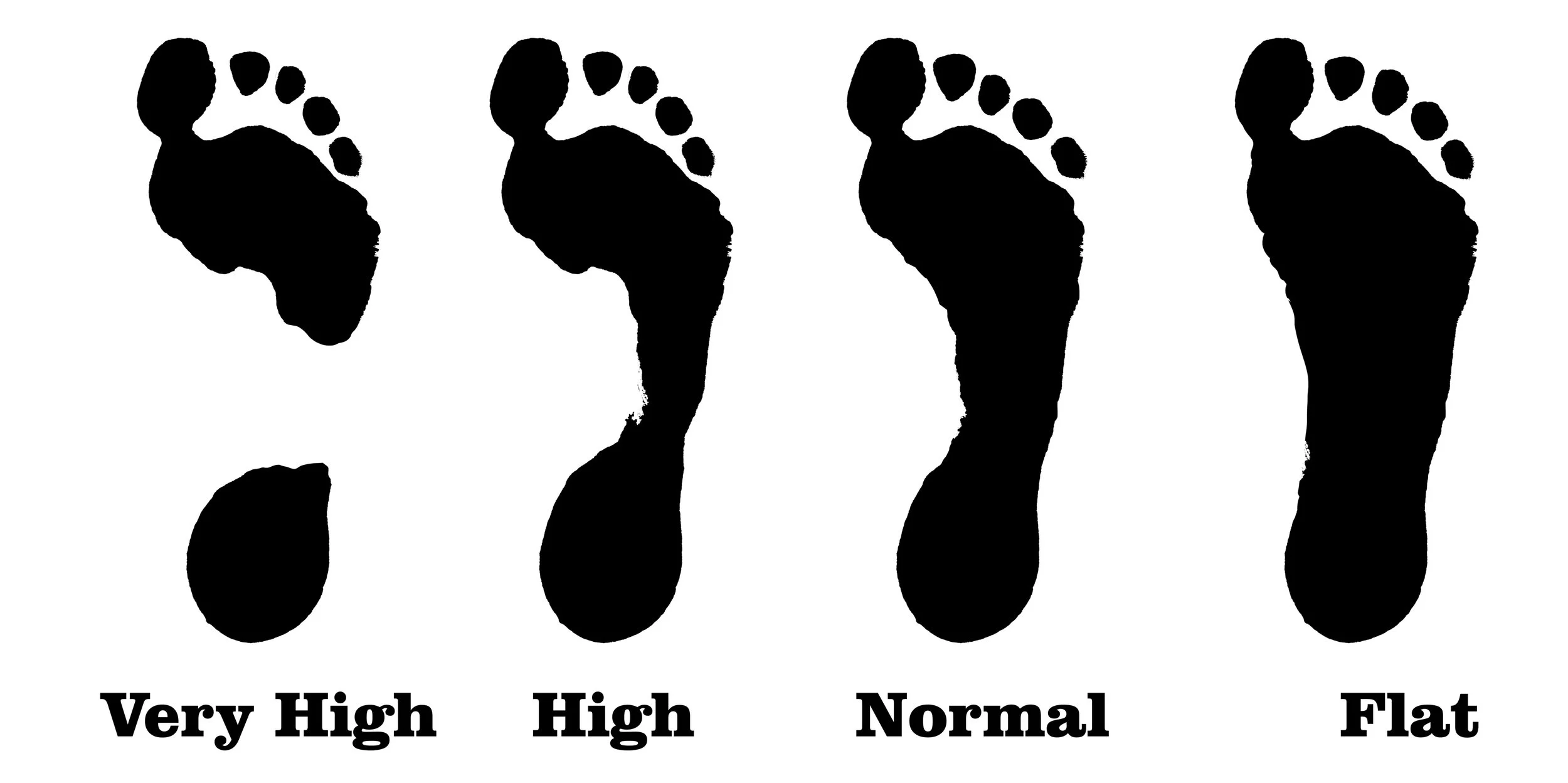
The “Wet Test”
One of the easiest at-home methods for determining your foot arch type is the wet footprint test.
To perform this test, just:
Wet the bottom of your foot
Step onto a surface where your footprint will show
Look at the shape left behind
Here’s what this information can tell you and how to interpret your results:
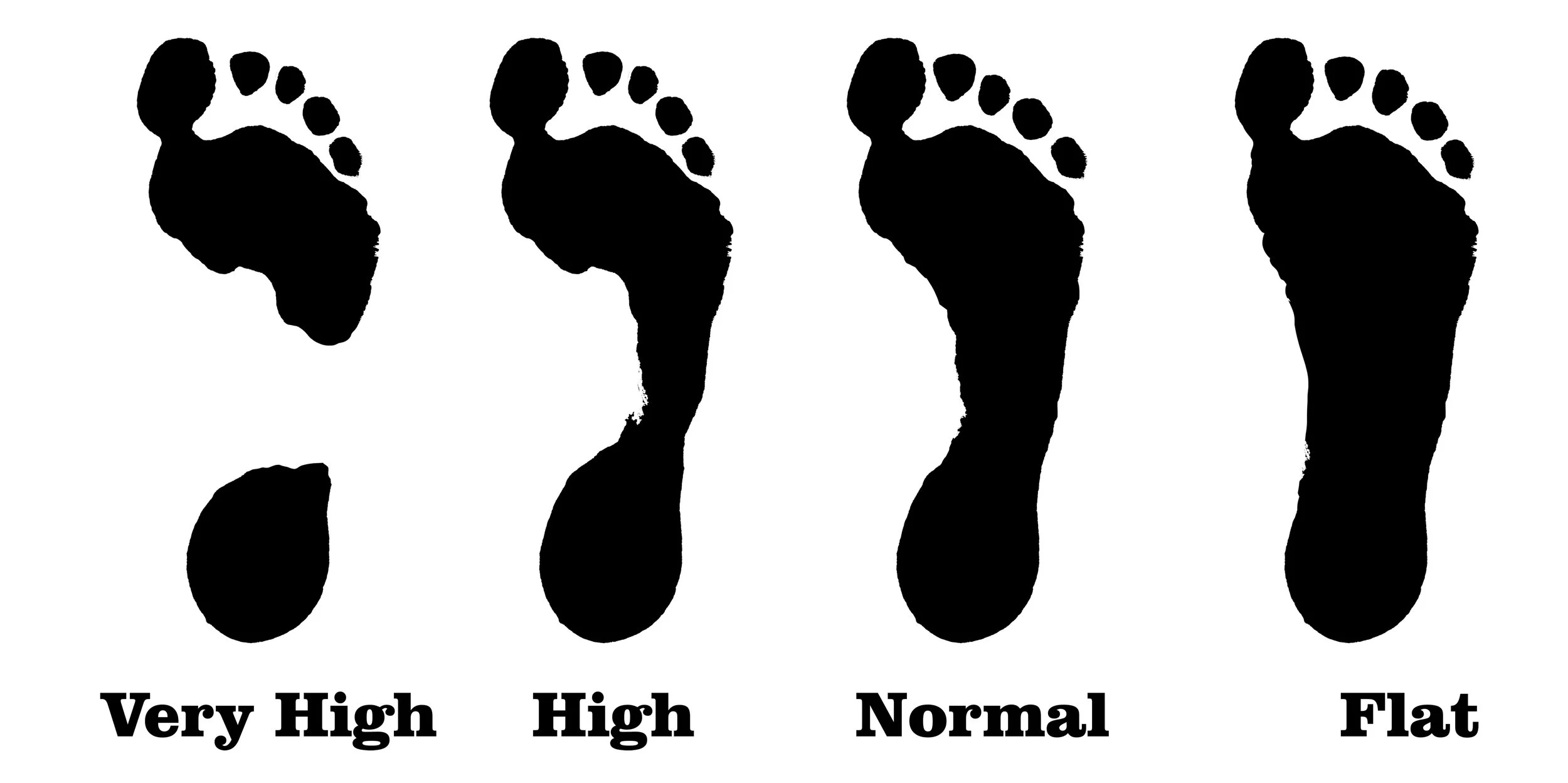
A full footprint usually suggests flat feet
A curved footprint suggests a neutral arch
A narrow connection between your heel and forefoot suggests a high arch
Other clues about arch type
Your body often gives you hints about your arch type.
You might notice:
Uneven wear patterns on your shoes
Pain that shows up during or after activity
Difficulty finding shoes that feel consistently comfortable
These signs can give you helpful insight into your arch type, but they’re a starting point—not a definitive diagnosis.
Your trusted podiatrist can help you not only determine your arch type, but also offer you advice and guidance to get your feet and aches the support they need to feel their best.
How Your Arch Type Affects Your Daily Life
By now, you understand how different arch types affect movement and how your body handles impact.
But what does that actually look like in your day-to-day life?
You might notice things like:
Your feet feel more tired than they should after a typical day
Certain shoes feel uncomfortable no matter how much you try to “break them in”
Pain that shows up after activity, then fades, only to return later
Over time, these small signs can turn into consistent patterns.
For example:
Flat feet may contribute to ongoing strain through your arch and ankle, especially if your overpronation isn’t well supported
High arches may lead to pressure-related discomfort in the heel or forefoot, particularly during longer periods of walking or standing
You may even start to notice symptoms outside of your feet, such as knee, hip, or lower back discomfort. This happens because your feet are your foundation. When something is off at that level, the rest of your body has to adjust to compensate.
The key takeaway is this: Your arch type doesn’t need to be “perfect” to function well. But when your feet aren’t supported in a way that matches how they move, your body tends to let you know.
Let’s look at what may happen when your arches aren’t supported in the long term.
When Your Arch Type Becomes a Problem
Not everyone needs treatment for their arch type.
But it’s worth paying attention and considering next steps if you experience:
Persistent or recurring foot pain
Pain that worsens with activity
Swelling along the inside of the ankle
Difficulty staying comfortable in most shoes
A noticeable change in your foot shape over time
These are signs that your feet may not be getting the support they need.
If you experience any of these issues, you don’t need to suffer in silence. Podiatrists have many tools and treatments that can help your feet and arches get the personalized care they deserve.
Check out some of our specialized services and treatments at City Step Podiatry.
How the Right Support Can Help
The good news is that most arch-related concerns can be managed with the right care and guidance.
This often starts with choosing footwear that matches both your foot type and your daily activities.
In many cases, footwear alone isn’t enough—especially if you’re already experiencing discomfort.
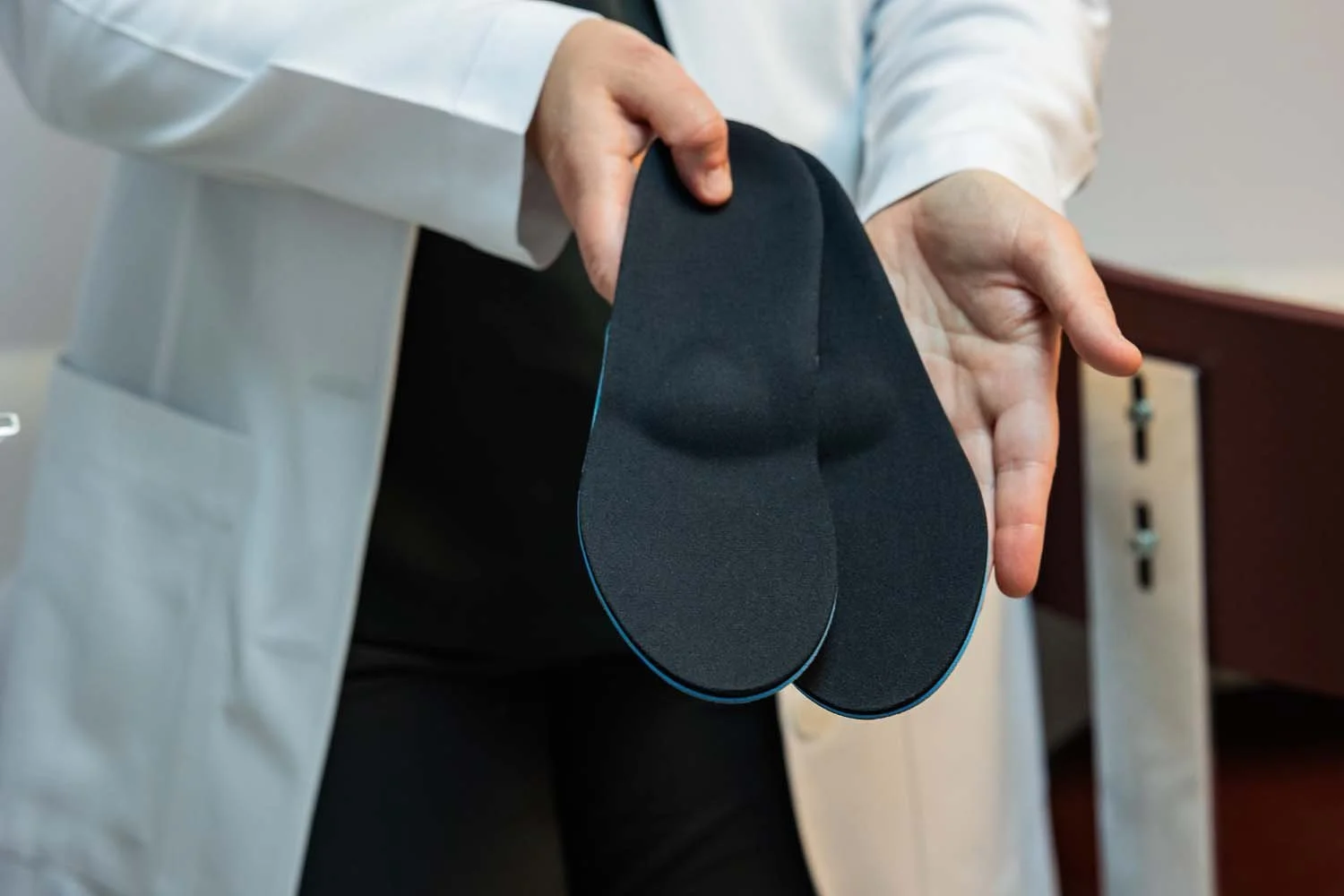
This is where custom orthotics can help. These devices are designed specifically for your feet, not just your shoe size.
Custom orthotics can help:
Improve alignment throughout your lower body
Redistribute pressure across your foot
Reduce strain on tendons and ligaments
Support more efficient, comfortable movement
Rather than forcing your foot into a “perfect” shape, orthotics work with your natural structure and anatomy to provide the support your body needs.
City Step Podiatry offers top-quality custom orthotic services right in our downtown Chicago office. Learn more about how the process works and why people choose it in our deep dive blog about custom orthotic inserts.
The Foundation of Your Health and Well-Being
Your feet quite literally support everything you do.
They carry you through your daily routines, workouts, and travels. Because they do so much behind the scenes, it’s easy to overlook their importance—until something starts to feel off.
Your arch type is a big part of that foundation.
It influences how your body moves, how efficiently you absorb impact, and how well your joints stay aligned over time. When your feet are supported in a way that matches how they function, movement tends to feel easier, more stable, and more comfortable.
At City Step Podiatry, Dr. Young takes a personalized, practical approach to care. She looks at how your feet function in real life, not just how they appear, and helps you find solutions that fit your routine, your goals, and your lifestyle.
If something hasn’t been feeling quite right—or if you simply want a clearer understanding of your foot health—scheduling an evaluation is a great next step.
Book with us easily online or stop by our downtown office. We’re here to keep you moving forward!
City Step Podiatry is here for you! Reach out today to schedule your visit and treat your feet to the care they deserve.